Can urgent care treat an ingrown toenail?
Often, yes. A provider can examine the toe and treat an infection, and removing the ingrown part of the nail is an office procedure that family physicians and podiatrists do 12. Whether a given urgent care clinic does it isn’t counted in any survey, so call ahead. If you have diabetes or poor circulation, don’t treat it at home: contact a provider right away 3.
Updated November 22, 2026. Every fact links to its source below.
When an ingrown toenail can’t wait
An ingrown toenail is rarely an emergency, but infection can spread through the toe and into the bone 3. Be seen the same day for:
- Severe pain, redness or swelling, or a fever 3
- Redness that is spreading, or pus draining from the toe 2
- Any ingrown toenail if you have diabetes, nerve damage in your feet or poor circulation 3
- With diabetes, skin on your foot that turns red, warm or painful, which can mean infection. Call your provider right away 4
If you’re not sure, go to the ER. Find the nearest ER.
What an ingrown toenail is
An ingrown toenail is one where the edge of the nail grows into the skin 4. It’s common and painful, especially in teenagers, and the big toe is affected most often 5. Most are caused by tight shoes or trimming the nail the wrong way; injury and the inherited shape of the nail also play a part 5. Ingrown toenails make up about 20% of the foot problems family physicians see 1.
Home care for an early one
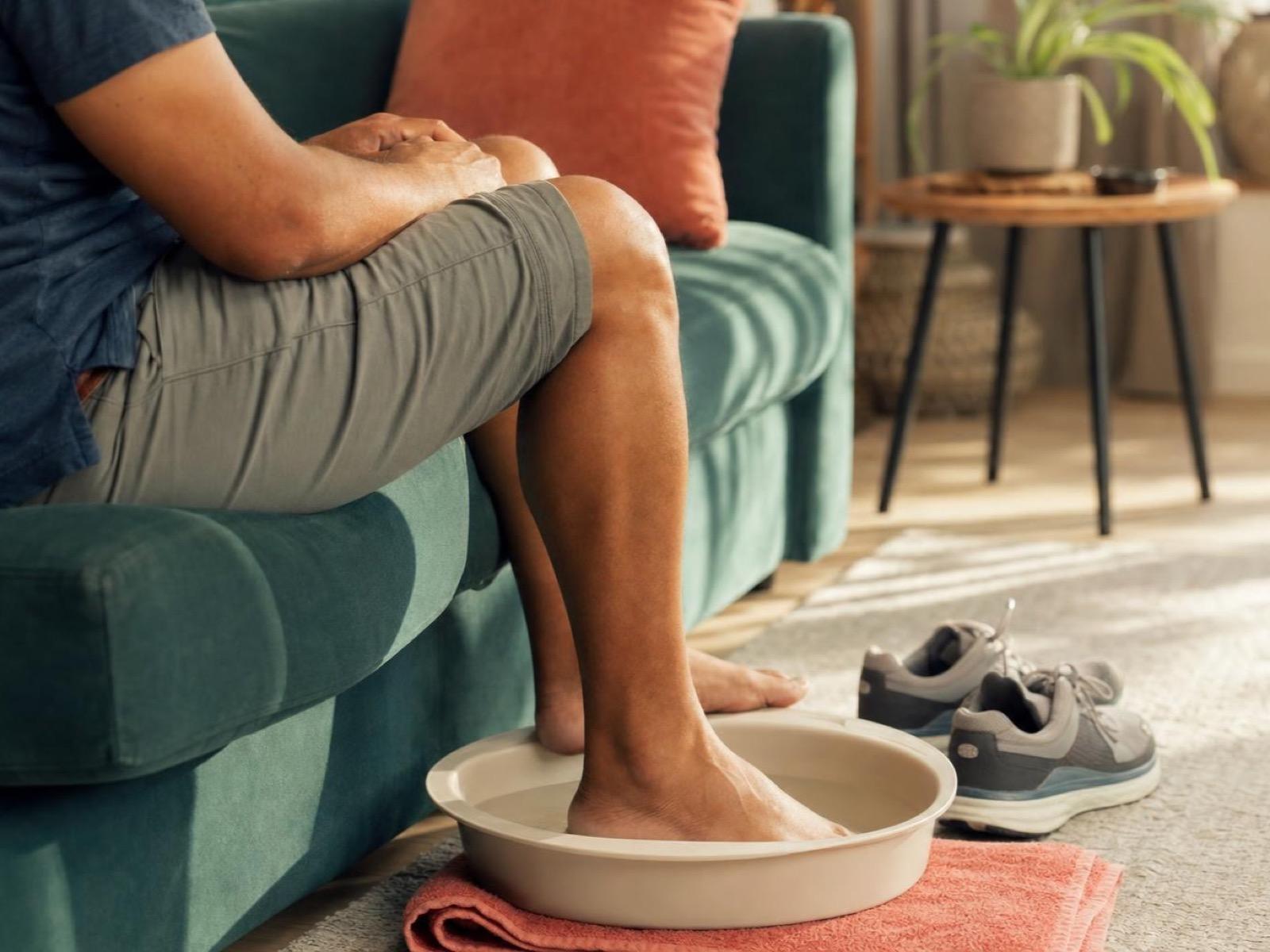
If the toe isn’t infected and you don’t have diabetes or circulation problems, orthopedic surgeons suggest 5:
- Soak the foot in warm water 3 to 4 times a day
- Keep the foot dry the rest of the time
- Wear roomy shoes or sandals
- Call a doctor if it isn’t better in 2 to 3 days, or it gets worse
- Don’t try to cut out the ingrown part yourself 3
What a provider does
A toe with a lot of swelling, pain and discharge is probably infected and should be treated by a physician, and part or all of the nail may need to come off 5. For a partial removal the toe is numbed with an injection and the ingrown strip of nail is cut away 3.
Removing the nail edge prevents the problem from coming back better than non-surgical care does. When the provider also treats the nail root with a chemical so that strip doesn’t regrow, fewer than 5% come back 1. Sources differ on antibiotics: family physicians’ guidance reserves them for infection that is clearly spreading in the skin 1, while other sources say they may be prescribed for an infected toe 3.
Recovery
After the procedure, expect to rest with the foot raised for 12 to 24 hours, change the dressing after a day or two, and go back to normal walking then. Some clear drainage for two to three weeks is expected 1. If a whole nail is removed, it takes about 2 to 4 months to grow back 3.
Urgent care, your doctor or a podiatrist
A podiatrist, a foot specialist, can remove the ingrown part and do a permanent fix for nails that keep growing in 2. People with diabetes should have a foot doctor trim nails that curve into the skin 4, because diabetes can dull feeling in the feet and slow healing, and infections that don’t heal can lead to amputation 4.
With Medicare, Part B covers medically necessary treatment of foot injuries and diseases at 20% after the deductible, but not routine nail trimming 6.
Find urgent care near you, with hours and phone numbers. Call ahead to confirm what a clinic offers.
Urgent care for an ingrown toenail, answered.
General information, not medical advice.
Can urgent care treat an ingrown toenail?
Will urgent care remove an ingrown toenail?
Should I see a podiatrist or go to urgent care?
How do I know if my ingrown toenail is infected?
Related guides
How much is urgent care without insurance? · Can urgent care prescribe antibiotics? · Does urgent care take Medicare? · Do I need stitches? ER or urgent care for a cut · Does insurance cover urgent care?
More on what urgent care does
Does urgent care do X-rays? · Does urgent care do ultrasounds or MRIs? · Does urgent care do stitches? · Does urgent care do blood work? · Does urgent care do STD testing? · Urgent care for kidney stones: what it can and can’t do · Does urgent care take Medicaid? · Can urgent care prescribe antibiotics? · How to get a doctor’s note online · Can urgent care refill prescriptions? · Does urgent care do IV fluids? · Does urgent care do CT scans? · Does urgent care do EKGs? · Does urgent care do pregnancy tests? · Does urgent care do physicals? · Does urgent care take Medicare? · Does urgent care do TB tests? · Does urgent care give tetanus shots? · Can urgent care treat a concussion? · Should you go to urgent care for a dog bite? · Can you go to urgent care for asthma? · Can urgent care treat pneumonia? · Can urgent care treat hemorrhoids? · Does urgent care do ear wax removal? · Urgent care or the ER?
Sources
- American Family Physician (AAFP): Ingrown toenail management (Aug. 1, 2019)
- American Podiatric Medical Association: Ingrown toenails
- MedlinePlus: Ingrown toenail, reviewed Apr. 1, 2025
- NIDDK: Diabetes and foot problems (reviewed Jan. 2017)
- AAOS OrthoInfo: Ingrown toenail
- Medicare.gov: Foot care
Last updated November 22, 2026. What a clinic offers varies by location, so call ahead. General information, not medical advice or a diagnosis. If you’re not sure whether something is an emergency, go to the ER or call 911.
This is not for emergencies.
For life-threatening symptoms, severe chest pain, trouble breathing, or immediate danger, call 911 or go to the nearest emergency department.