Does urgent care do ear wax removal?
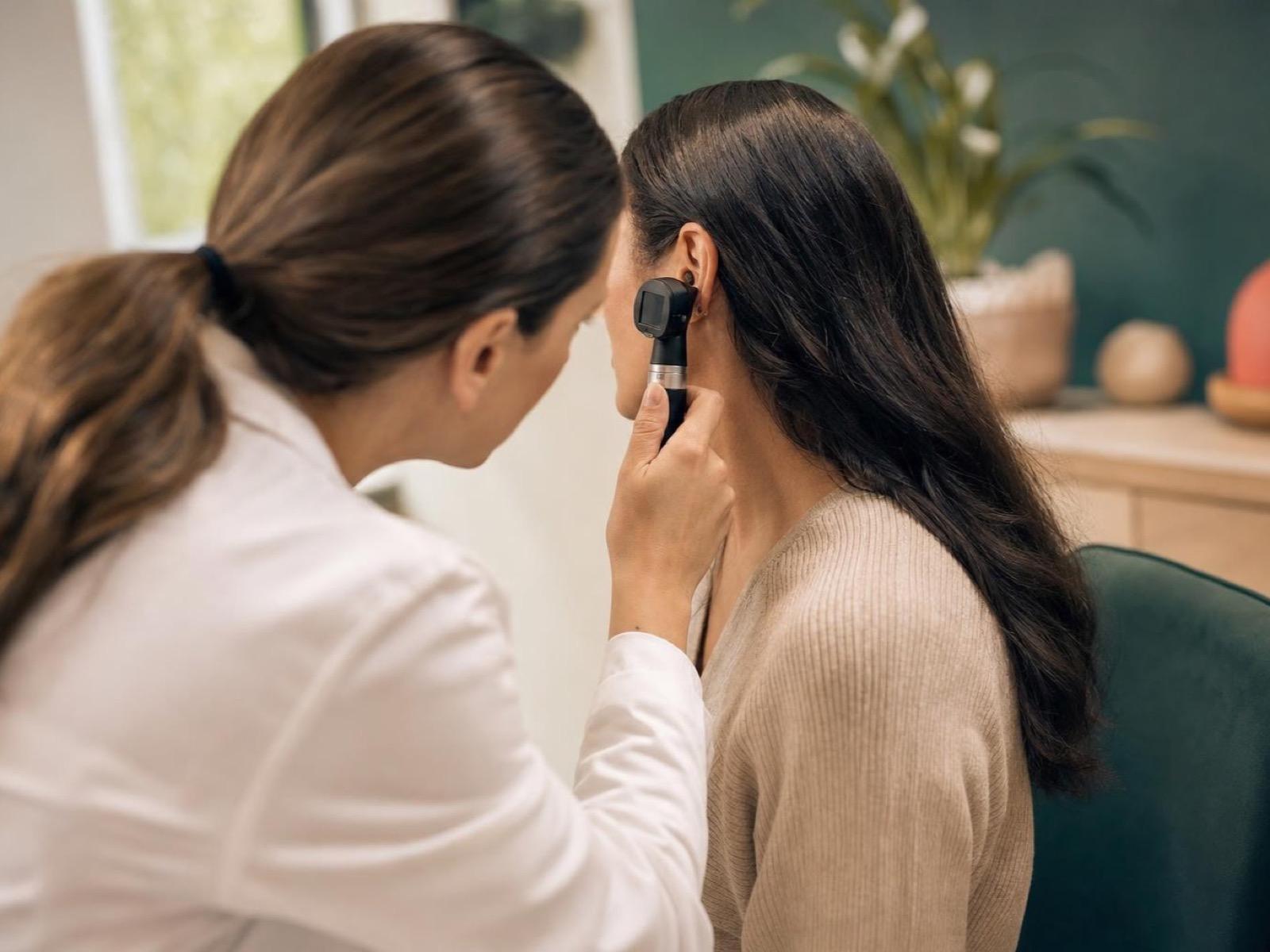
Often, yes, though it varies by clinic and no survey counts it. Rinsing the ear, called irrigation, is one of three accepted ways to remove impacted wax, and the guideline on ear wax is written for clinicians in any setting 1. Call ahead to ask. One warning first: sudden hearing loss is not something to assume is wax.
Updated November 22, 2026. Every fact links to its source below.
When it isn’t just wax
Sudden hearing loss should be treated as a medical emergency. People often put off care because they assume it’s ear wax or allergies, and treatment delayed more than two to four weeks is less likely to work 2. See a provider right away for:
- Hearing that drops suddenly, with or without a full feeling, dizziness or ringing 2
- Ear pain, drainage or bleeding. These are not symptoms of ear wax 3
- Fever with ear symptoms, or hearing loss that continues after the wax is cleaned out 4
- Any injury from an object pushed into the ear
If you’re not sure, go to the ER. Find the nearest ER.
When ear wax needs removing
Ear wax is normal. It’s made in the outer part of the ear canal and protects and cleans the ear 5. Wax that causes no symptoms and doesn’t block a provider’s view should be left alone 1.
It becomes a problem when it builds up enough to cause symptoms: a plugged or full feeling, partial hearing loss, or ringing 5. Impaction is found in about 5% of healthy adults, 10% of children and up to 57% of older adults in nursing homes 6.
How removal works
The guideline for clinicians lists three treatments: drops that soften the wax, irrigation, and removal by hand with instruments 1. Family physicians’ guidance says all three work and none has been shown to be better than the others 6.
Before rinsing, the provider checks that your eardrum is intact and that you don’t have open ear tubes, and uses water near body temperature. Serious problems from irrigation, such as a torn eardrum or vertigo, are rare, about 1 in 1,000 ears 6.
Who shouldn’t have an ear rinsed
Don’t irrigate or use softening drops if you’ve had ear surgery or have a hole in your eardrum, unless an ear, nose and throat doctor says it’s safe. Extra caution applies with ear tubes, diabetes, eczema in the ear canal or a weakened immune system 35.
In those cases removal by hand is preferred. It’s most often done by an ear, nose and throat specialist using suction or small instruments under a microscope 5. If rinsing doesn’t work, the next step is a referral to a clinician with that equipment 1.
What to do, and not do, at home
Most blockages respond to softening drops used at home, and it’s worth asking a provider before rinsing your own ears 54.
- Don’t put cotton swabs or other objects in your ear. They push wax deeper and can cut the canal or puncture the eardrum 3.
- Don’t use ear candles. The specialists’ guideline recommends against them 1.
- Don’t use a dental water jet on your ears 4.
Cost and coverage
No neutral source publishes urgent care prices for ear wax removal, and it’s usually billed on top of the visit. Medicare has no national rule that names ear wax. One regional Medicare contractor’s policy, for Kentucky and Ohio, covers removal of impacted wax when it’s reasonable and necessary, and doesn’t cover routine cleaning of wax that isn’t causing a problem 7.
Find urgent care near you, with hours and phone numbers. Call ahead to confirm what a clinic offers.
Ear wax removal at urgent care, answered.
General information, not medical advice.
Does urgent care do ear wax removal?
How does urgent care remove ear wax?
Is ear irrigation safe?
Should I see an ENT for ear wax?
Can I remove ear wax with a cotton swab?
My ear suddenly feels blocked and I can’t hear. Is it wax?
Related guides
Ear pain or ear infection: ER or urgent care? · How much is urgent care without insurance? · Does urgent care take Medicare? · Does insurance cover urgent care? · Can urgent care prescribe antibiotics?
More on what urgent care does
Does urgent care do X-rays? · Does urgent care do ultrasounds or MRIs? · Does urgent care do stitches? · Does urgent care do blood work? · Does urgent care do STD testing? · Urgent care for kidney stones: what it can and can’t do · Does urgent care take Medicaid? · Can urgent care prescribe antibiotics? · How to get a doctor’s note online · Can urgent care refill prescriptions? · Does urgent care do IV fluids? · Does urgent care do CT scans? · Does urgent care do EKGs? · Does urgent care do pregnancy tests? · Does urgent care do physicals? · Does urgent care take Medicare? · Does urgent care do TB tests? · Does urgent care give tetanus shots? · Can urgent care treat a concussion? · Should you go to urgent care for a dog bite? · Can you go to urgent care for asthma? · Can urgent care treat pneumonia? · Can urgent care treat hemorrhoids? · Can urgent care treat an ingrown toenail? · Urgent care or the ER?
Sources
- Schwartz SR, et al. Clinical practice guideline (update): earwax (cerumen impaction). Otolaryngology, Head and Neck Surgery, 2017 (abstract)
- NIH National Institute on Deafness and Other Communication Disorders: Sudden deafness (updated Sept. 14, 2018)
- ENThealth: Dos and don’ts of earwax (Oct. 2019)
- MedlinePlus: Ear wax, reviewed Apr. 29, 2026
- ENThealth (American Academy of Otolaryngology, Head and Neck Surgery Foundation): Earwax (cerumen impaction), reviewed Aug. 2018
- American Family Physician (AAFP): Cerumen impaction, diagnosis and management (Oct. 15, 2018)
- CMS Medicare Coverage Database: Billing and coding, cerumen (earwax) removal, A56454 (local policy for Kentucky and Ohio; effective Jan. 29, 2026)
Last updated November 22, 2026. What a clinic offers varies by location, so call ahead. General information, not medical advice or a diagnosis. If you’re not sure whether something is an emergency, go to the ER or call 911.
This is not for emergencies.
For life-threatening symptoms, severe chest pain, trouble breathing, or immediate danger, call 911 or go to the nearest emergency department.